
Moccasin Bend Environmental Campus

Major Modernization of the Campus
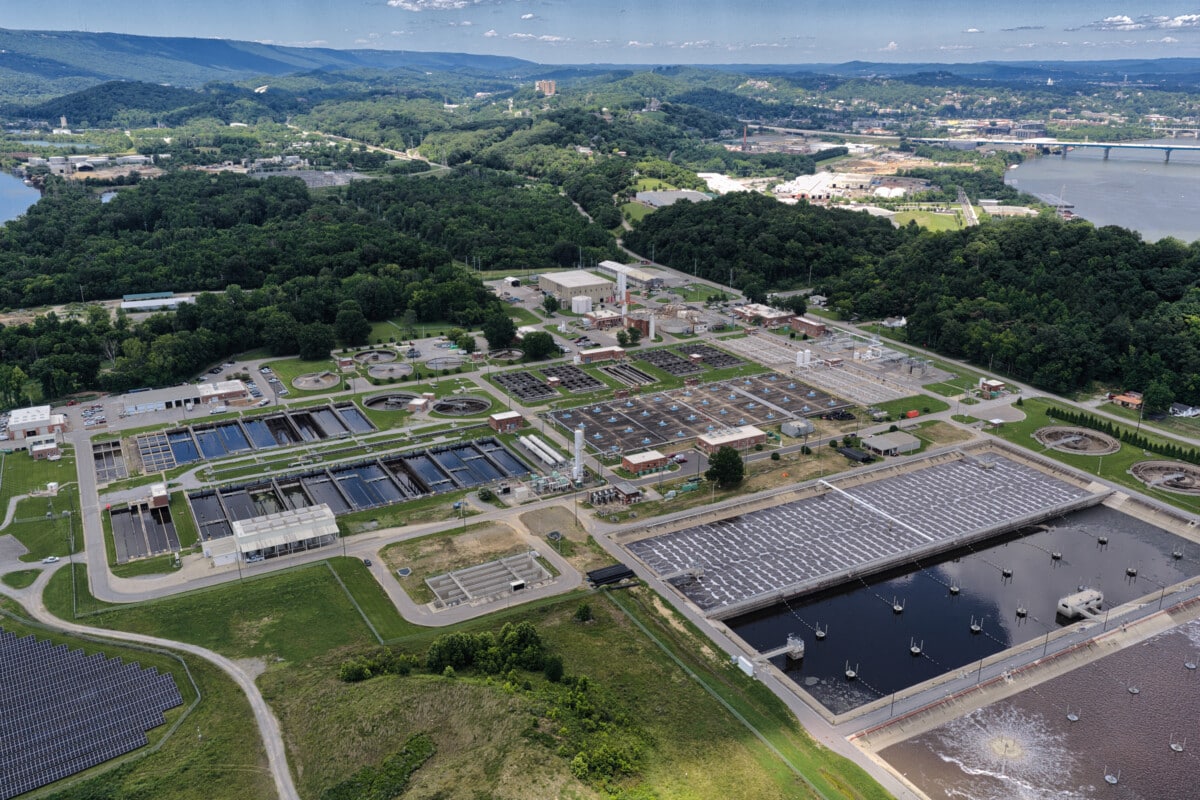
The Moccasin Bend Environmental Campus (formerly the Wastewater Treatment Plant) officially opened in 1961. It serves a six-county region, processing approximately 65 million gallons of wastewater per day with a peak capacity of 230 million gallons. Improving treatment capacity, performance and reliability is one of the Clear Chattanooga Program top priorities. Dozens of projects have been completed to date at the Campus, and the Wastewater Department is now engaged on a path to major overhaul of its treatment process.
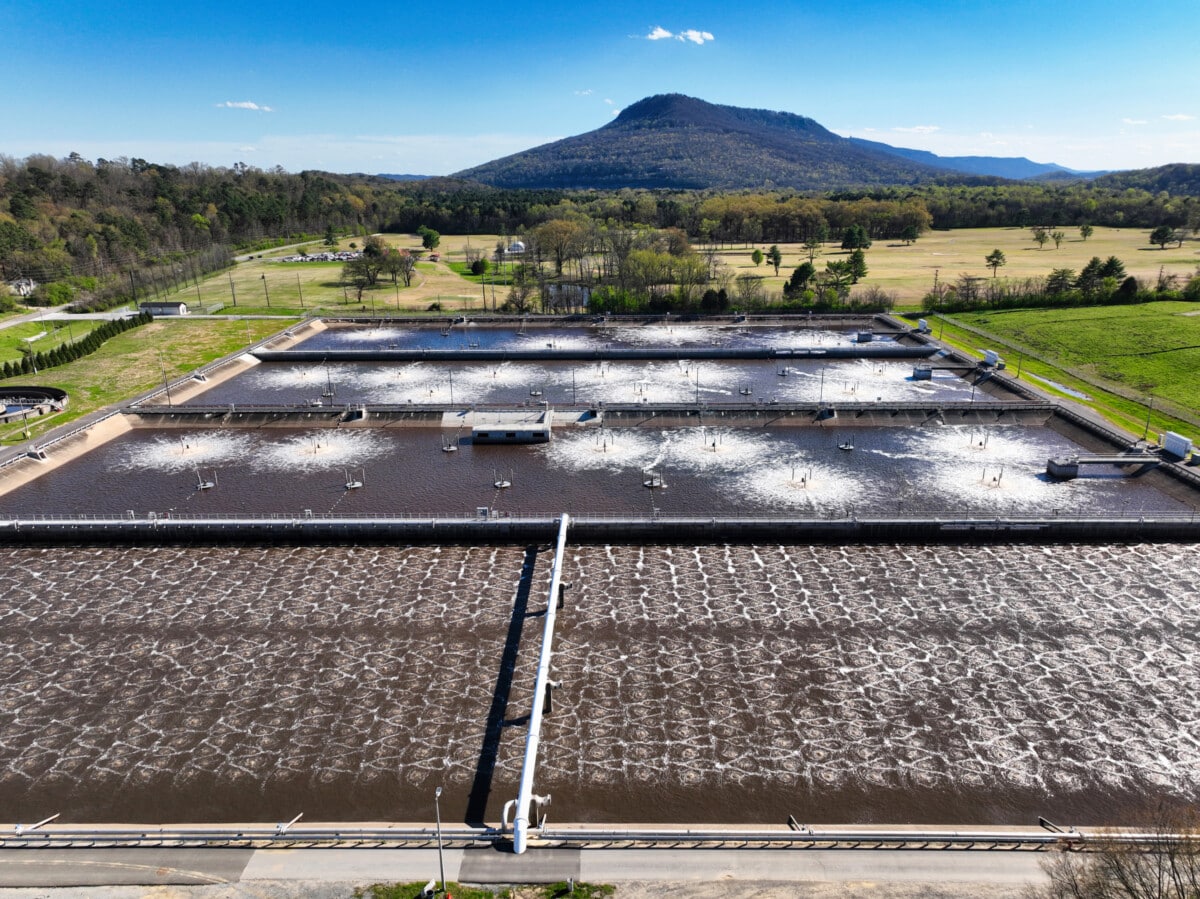
The Wet Weather Treatment Upgrade Project will add a new fine screen facility and enhance the Campus’s secondary treatment capacity from 140 to a potential 210 million gallons per day. With the Class A POWER Project, the Campus will receive new aeration and nitrification processes and see 100% of its solids digested (vs. 40% currently) before getting dried by a third-party.
"Waste-to-Energy" Shift: Toward a Net-Zero Energy Campus
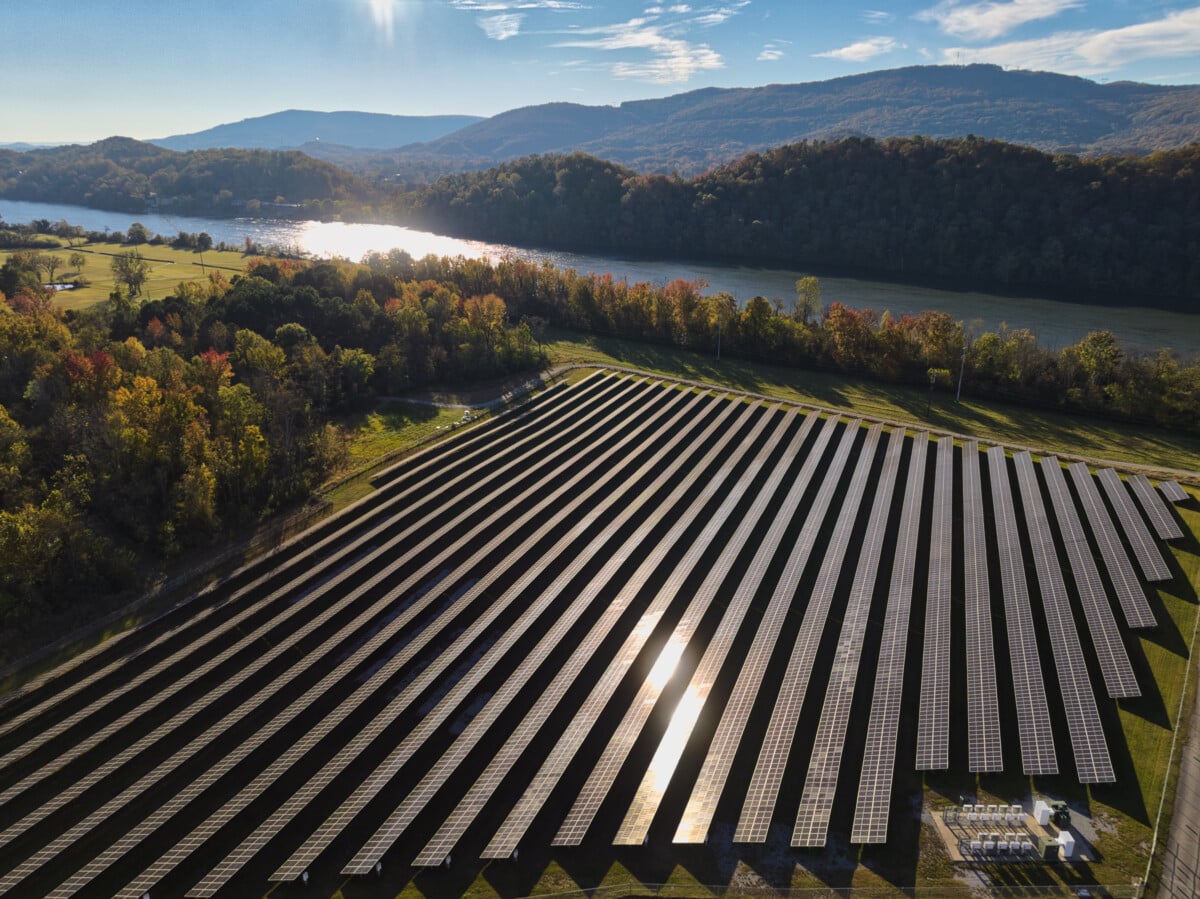
The Moccasin Bend Environmental Campus is the largest single consumer of electricity among all City-owned and operated facilities. Thanks to efficiency retrofits (like new equalization blowers) and a 10-acre, 4-megawatt, solar farm installed in 2020, the city has already reduced the Campus’s operational costs by $1.4 million annually.
The campus is partnering with California-based Mainspring Energy to install linear generators that will burn the methane biogas produced and collected during the digestion process. Once fully operational, these generators will offset about one-third of the plant’s electric bill by converting what was previously flared or wasted gas into on-site power.