
In The Community
Clear Chattanooga is committed to keeping you informed on projects in your area. Our outreach includes Community Meetings, Information sessions with community groups, ribbon cuttings, and information on how the Wastewater Department is recognized in the community.

e2i2 Media Day – June 22, 2026
The City of Chattanooga and the Hamilton County Water & Wastewater Treatment Authority (WWTA) invited members of the media, city and county officials, and community leaders to tour one of the massive wet-weather equalization tanks currently under construction along I-75 as part of the Environmental and Economic Infrastructure Improvements (e2i2) Program.
This special media day provided a rare opportunity to step inside one of the massive storage tanks currently under construction and experienced firsthand the scale of a project that will help protect local waterways, reduce sanitary sewer overflows, and strengthen the region’s wastewater infrastructure for decades to come.
Attendees received a guided tour of key components of the project, including the interior of the wet-weather equalization tank, the diversion structure, the pump station, and the electrical building—areas not typically accessible to the public. Once complete, the project will include two wet-weather equalization stations capable of storing approximately 30 million gallons of excess wastewater during heavy rain events, making it one of the largest wastewater infrastructure investments currently underway in the Chattanooga-Hamilton County region. The facilities are designed to capture and temporarily store excess flow until the wastewater system has capacity to safely treat it, helping reduce sanitary sewer overflows and protect local waterways.
The media tour offered attendees a unique opportunity to see the facility from the inside, learn about the project’s progress, and gain a better understanding of how this investment will support public health, environmental stewardship, and future growth throughout the region.
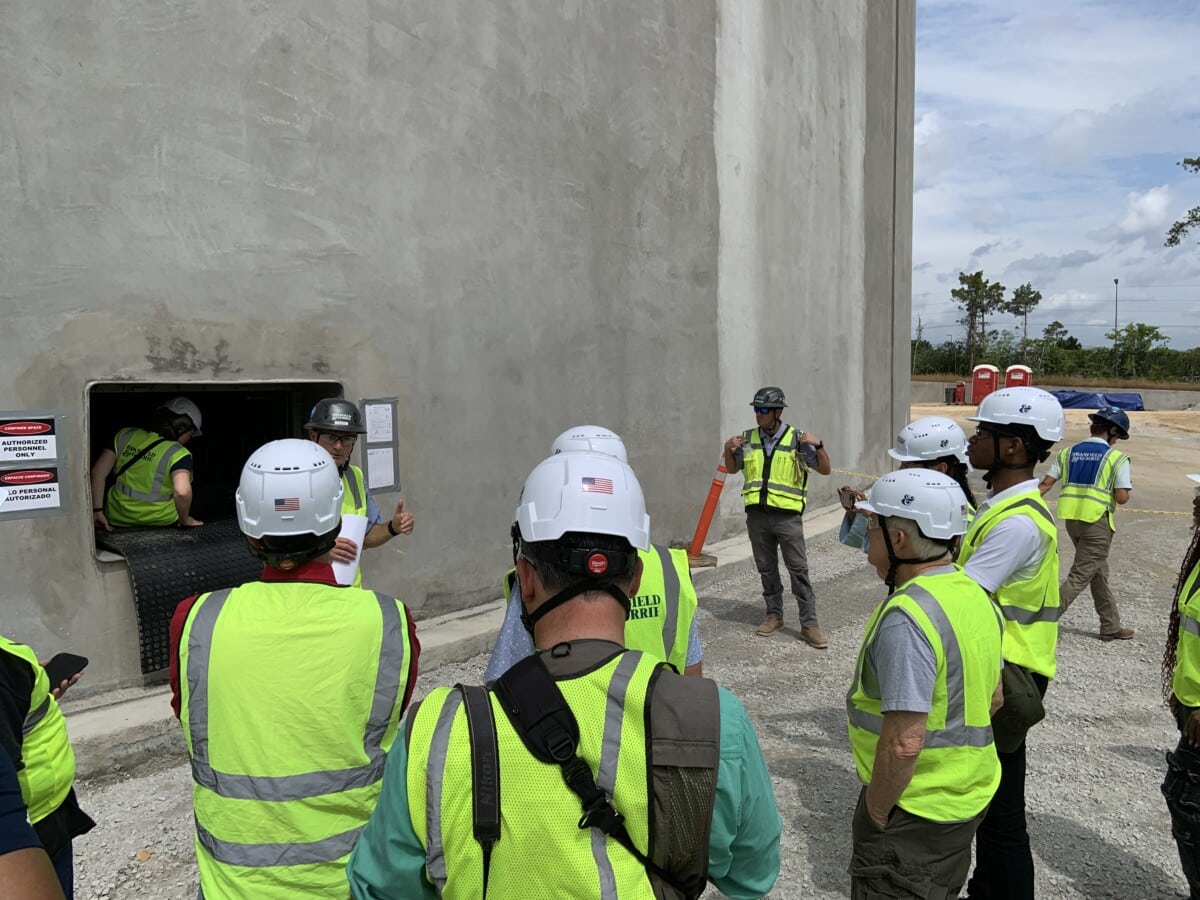
Tour participants preparing to go inside the 15 MG EQ Tank at the man-entry
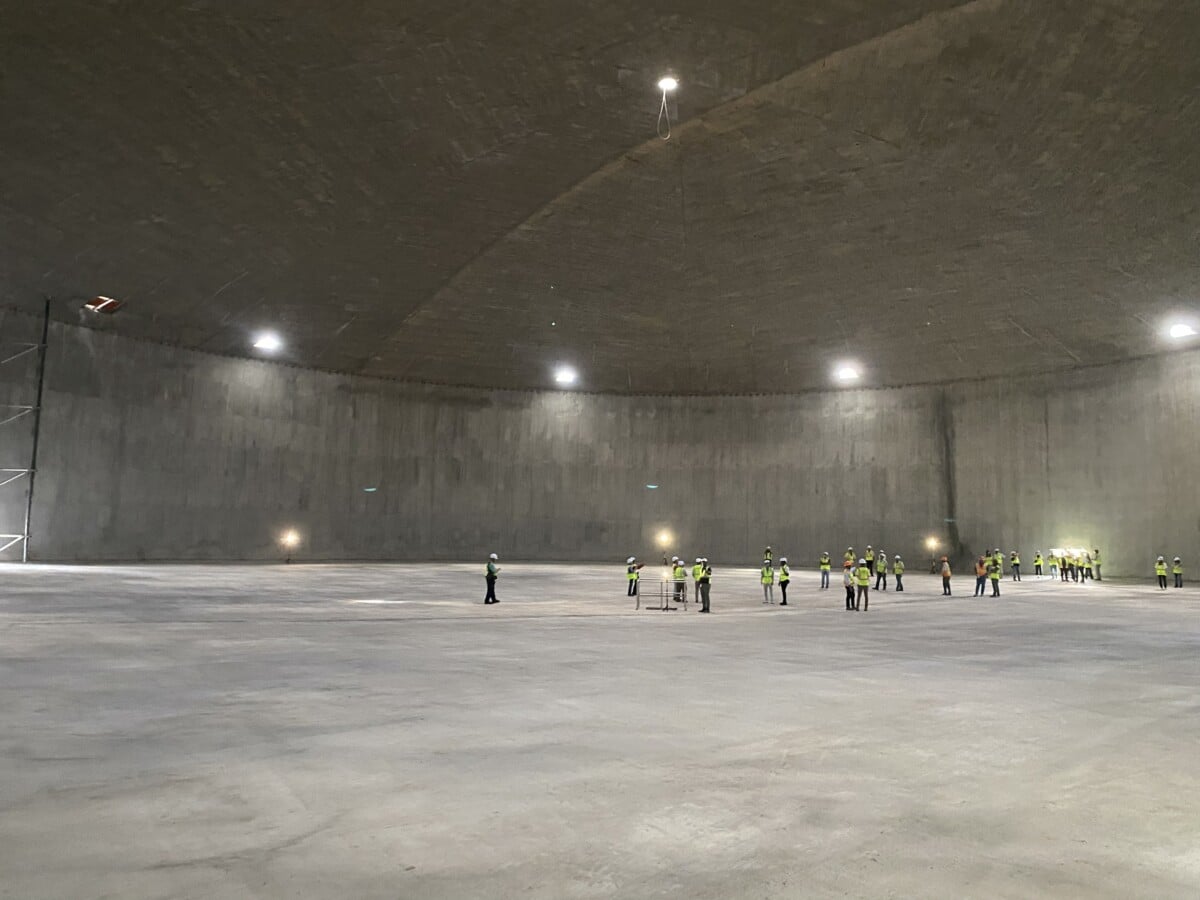
Tour participants inside one of the 15 MG EQ Tanks
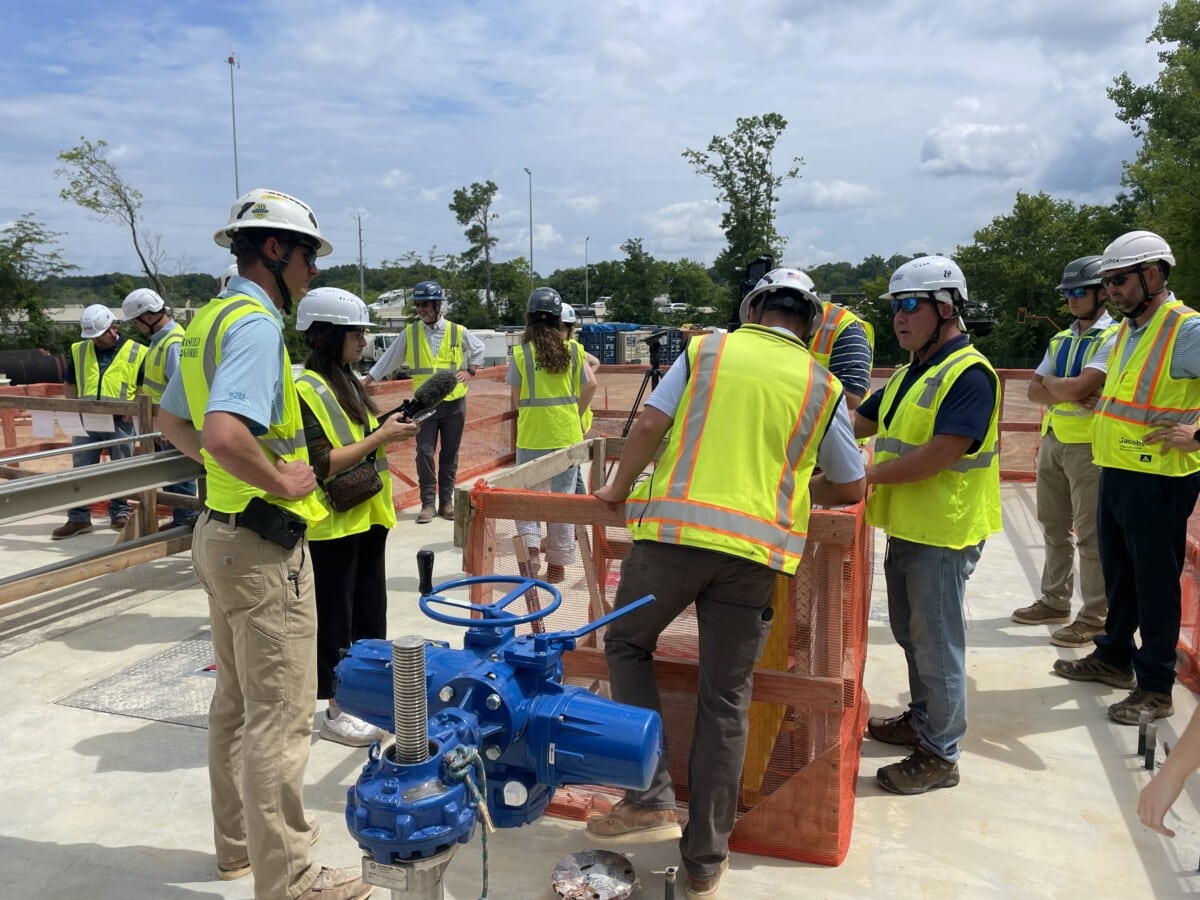
Tour participants at the Diversion Structure top slab
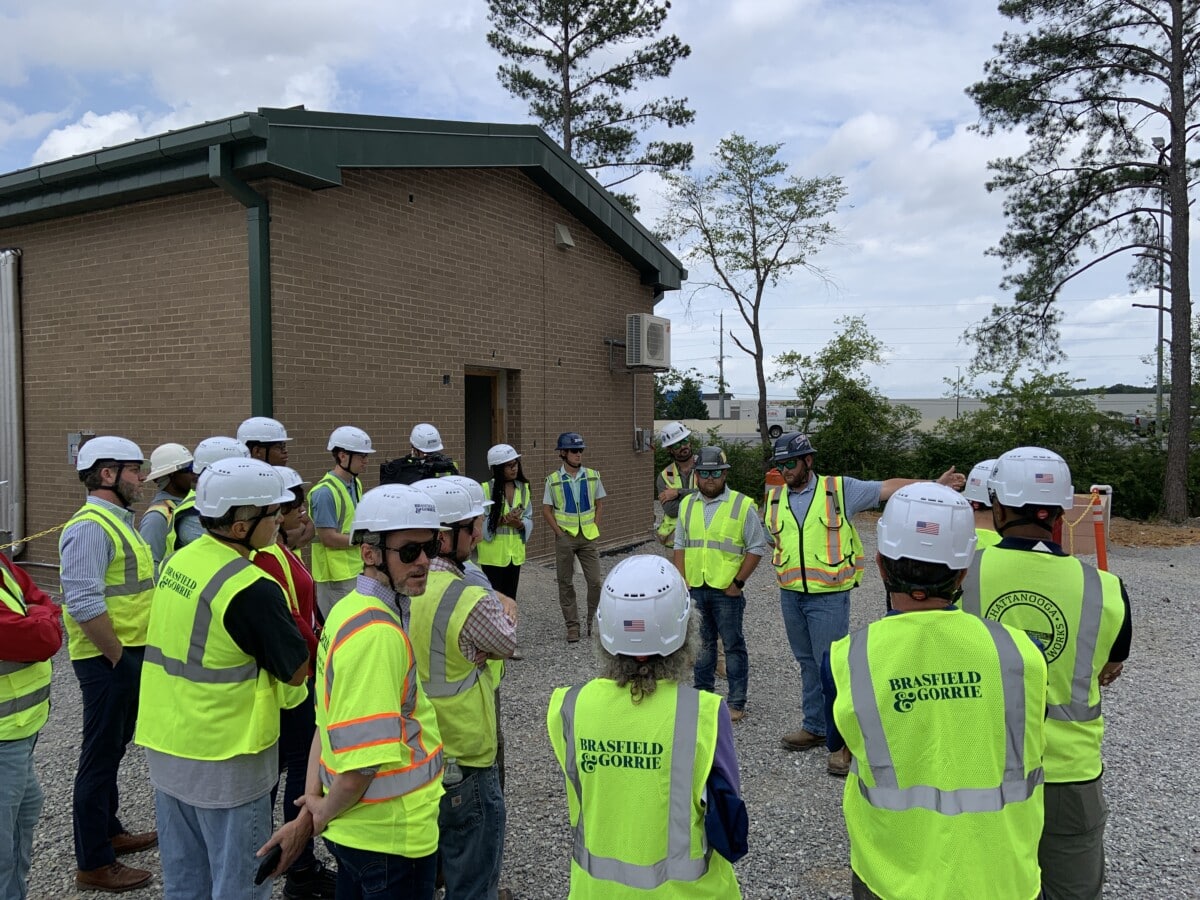
Tour participants near the Electrical Building and Pump Station
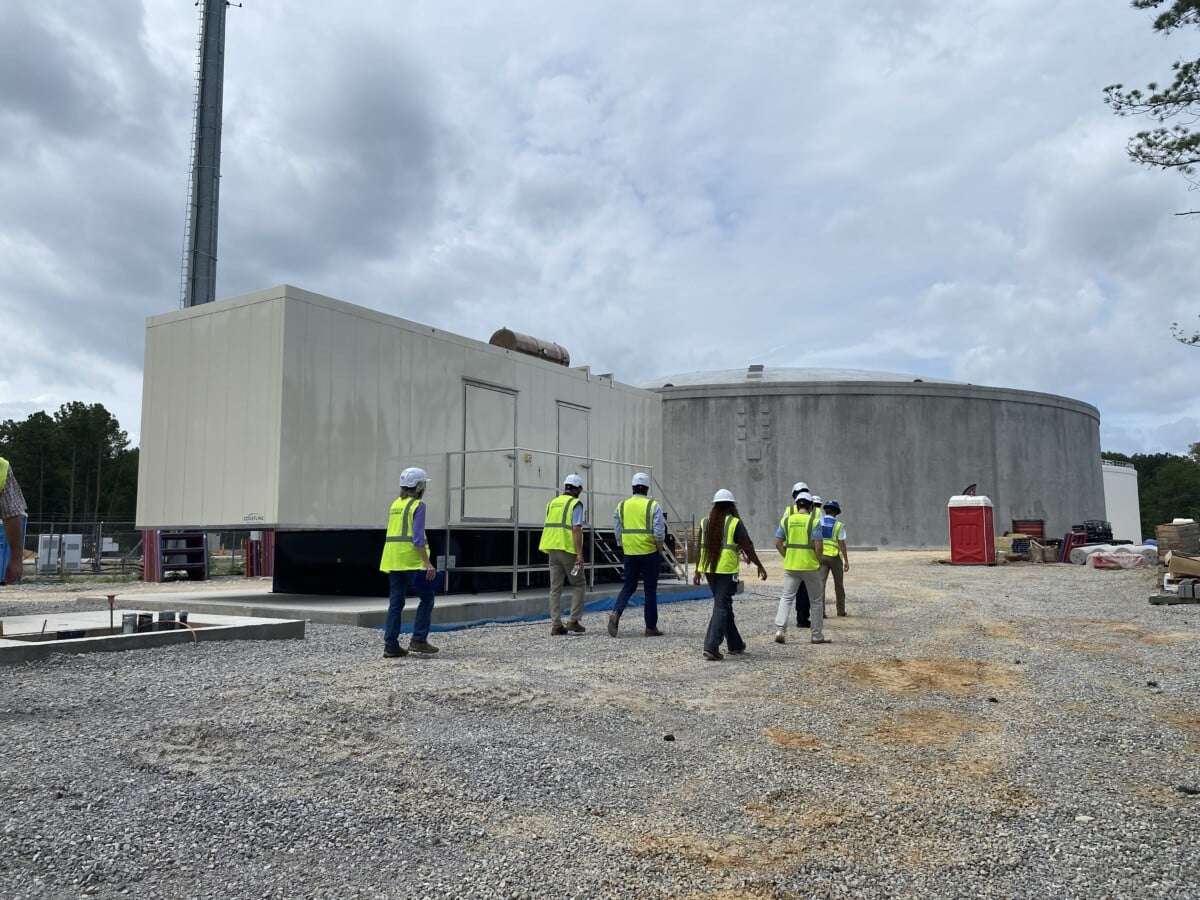
800 kW Generator with 15 MG EQ Tank in the foreground
Kanasita Drive Ribbon-Cutting Ceremony – June 11, 2026
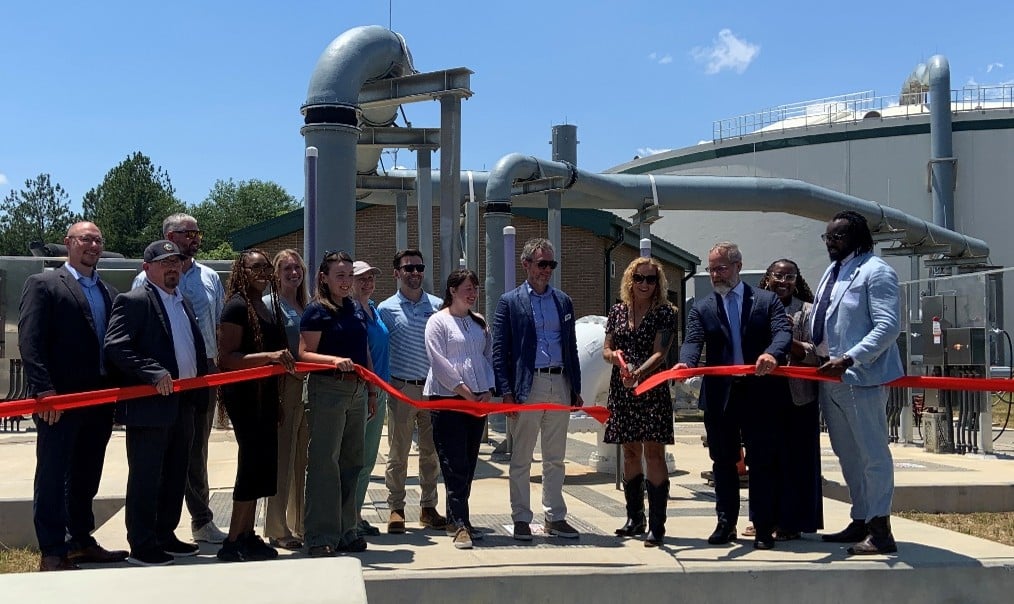
City leaders, project partners, and community stakeholders gathered Thursday, June 11, to celebrate the completion of the Kanasita Equalization Station Project, a $45 million investment designed to reduce sanitary sewer overflows (SSOs), strengthen wastewater infrastructure, and improve quality of life for residents in the Hamill Road corridor.
The project includes a new 5-million-gallon wet-weather equalization station that temporarily stores excess wastewater during heavy rain events until the system has capacity to safely convey and treat it. By capturing and storing peak wet-weather flows, the facility helps reduce sanitary sewer overflows before they reach roads, neighborhoods, and waterways.
The Project is a key component of Clear Chattanooga.
“When a major storm rolls through our city, most people are focused on getting home safely. What most people never see is the tremendous amount of activity happening beneath their feet,” said Wastewater Administrator Mark Heinzer. “An entire network of infrastructure is working around the clock to protect public health, safeguard neighborhoods, and keep our city moving forward.”
For years, this area experienced sanitary sewer overflows during periods of heavy rainfall when stormwater entered the wastewater system through cracks and aging infrastructure, overwhelming available capacity. The Kanasita EQ Station was constructed to address those long-standing challenges by providing temporary storage during major storm events.
“In simple terms, it gives the system room to breathe when it needs it most,” Heinzer said.
In addition to reducing sanitary sewer overflows, the project also addressed concerns raised by residents regarding the former Hixson #1 Pump Station on Adams Road. As part of the project, the aging facility was removed and replaced with a new pump station located on the Kanasita site within an industrial area. The new station features enclosed infrastructure and advanced carbon filtration technology designed to significantly reduce odor impacts on nearby neighborhoods.
“This project also reflects the importance of listening to residents,” said City of Chattanooga Chief Operating Officer Mande Green. “During community meetings held in 2018, residents shared concerns about the former pump station on Adams Road, including concerns about odor. As part of this project, that aging facility was replaced and relocated to this site, away from nearby homes and within an industrial area.”
While the project provides significant wastewater benefits, city officials emphasized that the facility is not a stormwater flood-control project.
The equalization basin is designed to reduce sanitary sewer overflows by temporarily storing excess wastewater during rain events. However, it does not control water levels in North Chickamauga Creek, and flooding along Hamill Road will continue to occur during major storm events as it has historically.
“This facility is designed to address sanitary sewer overflows. It is not a stormwater flood-control project,” Green said. “What this project accomplishes is a reduction in sanitary sewer overflows and the risks associated with them.”
The project was funded through a combination of local investment and state and federal support, including approximately $20 million through the Tennessee Department of Environment and Conservation’s State Revolving Fund Loan Program and $16.7 million through an American Rescue Plan grant.
During the ceremony, City officials recognized the many organizations and individuals who contributed to the project’s success, including the Tennessee Department of Environment and Conservation (TDEC), Jacobs Engineering (City’s Program Manager), HDR (Engineer on the Project), Clark Construction (Contractor), Elizabeth Goss (City Project Manager), and the employees of the Chattanooga Wastewater Department.
Heinzer noted that while most residents may never notice the facility itself, its impact will be felt throughout the community for years to come.
“In many ways, the greatest success of this facility will be measured by what doesn’t happen—the overflows prevented, the odor concerns addressed, and the challenges residents never have to experience,” Heinzer said. “That is the promise of great infrastructure.”
The Wastewater Department earns the 2025 Clean Water Professionals Award
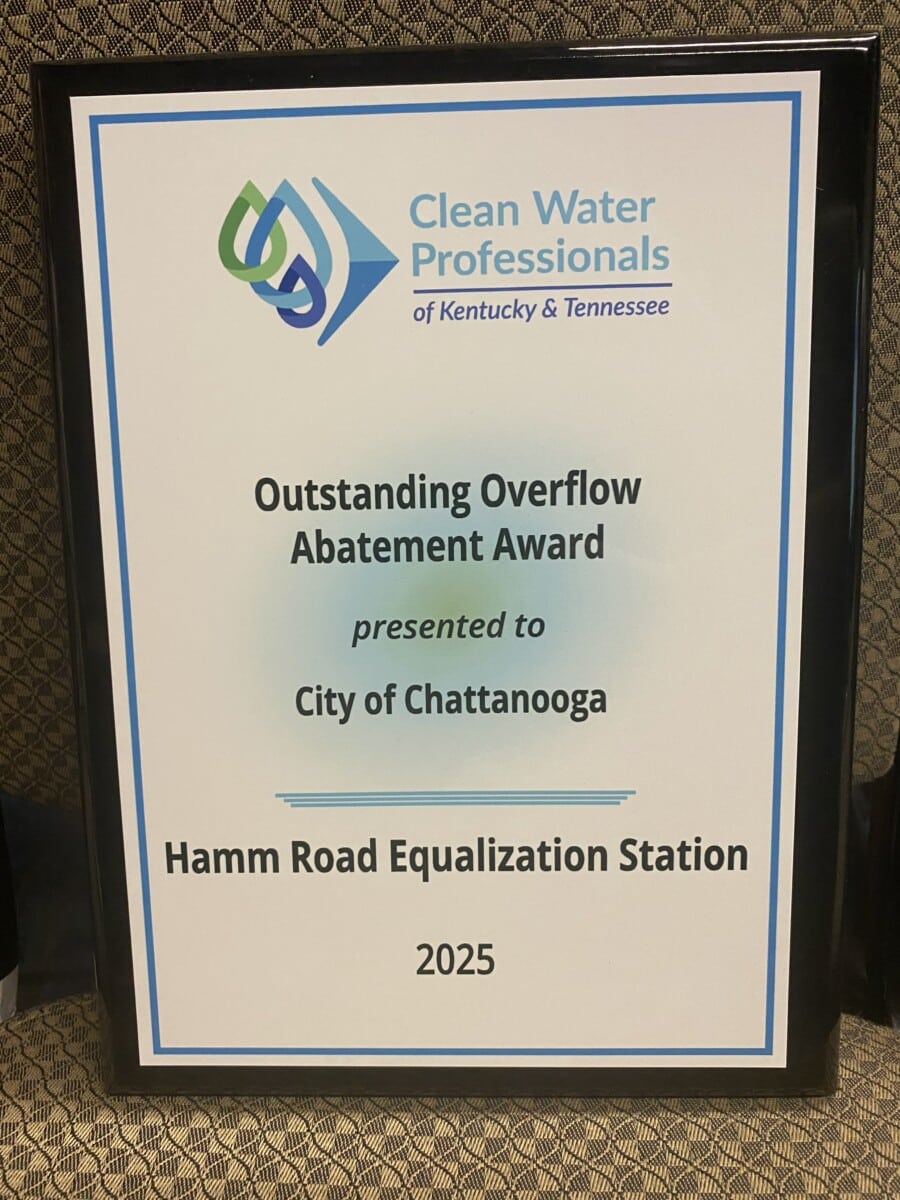
Chattanooga’s Wastewater Department earned the 2025 Clean Water Professionals Outstanding Overflow Abatement Award for the Hamm Rd Equalization Station project completed in 2022. The EQ station has stored almost 1 billion gallons of water to date and helped to prevent major overflows into the Tennessee River.
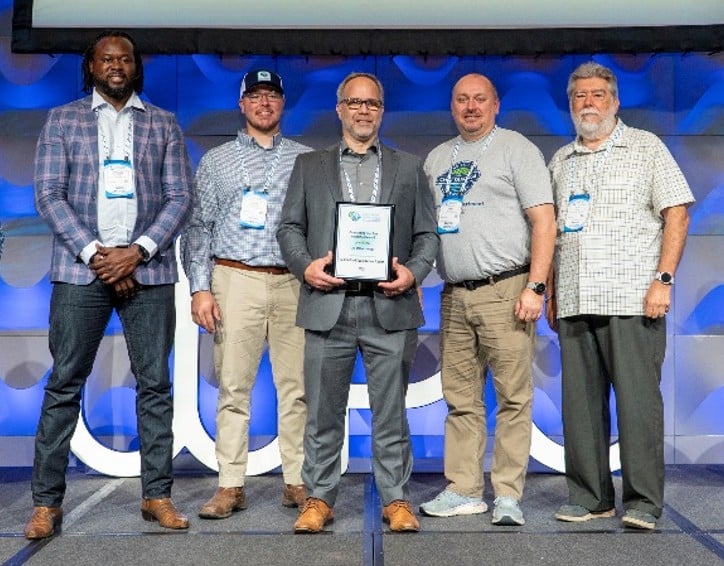
From left to right: Lawrence Carter, Deputy Administrator; Jake McCrary, Senior Director; Mark Heinzer, Administrator; Jimmy Watts, Director of Operations; Alan Ogle, Director of Engineering, Wastewater Dept., City of Chattanooga.
The Wastewater Department earns the 2023 TN Governor's Environmental Stewardship Award
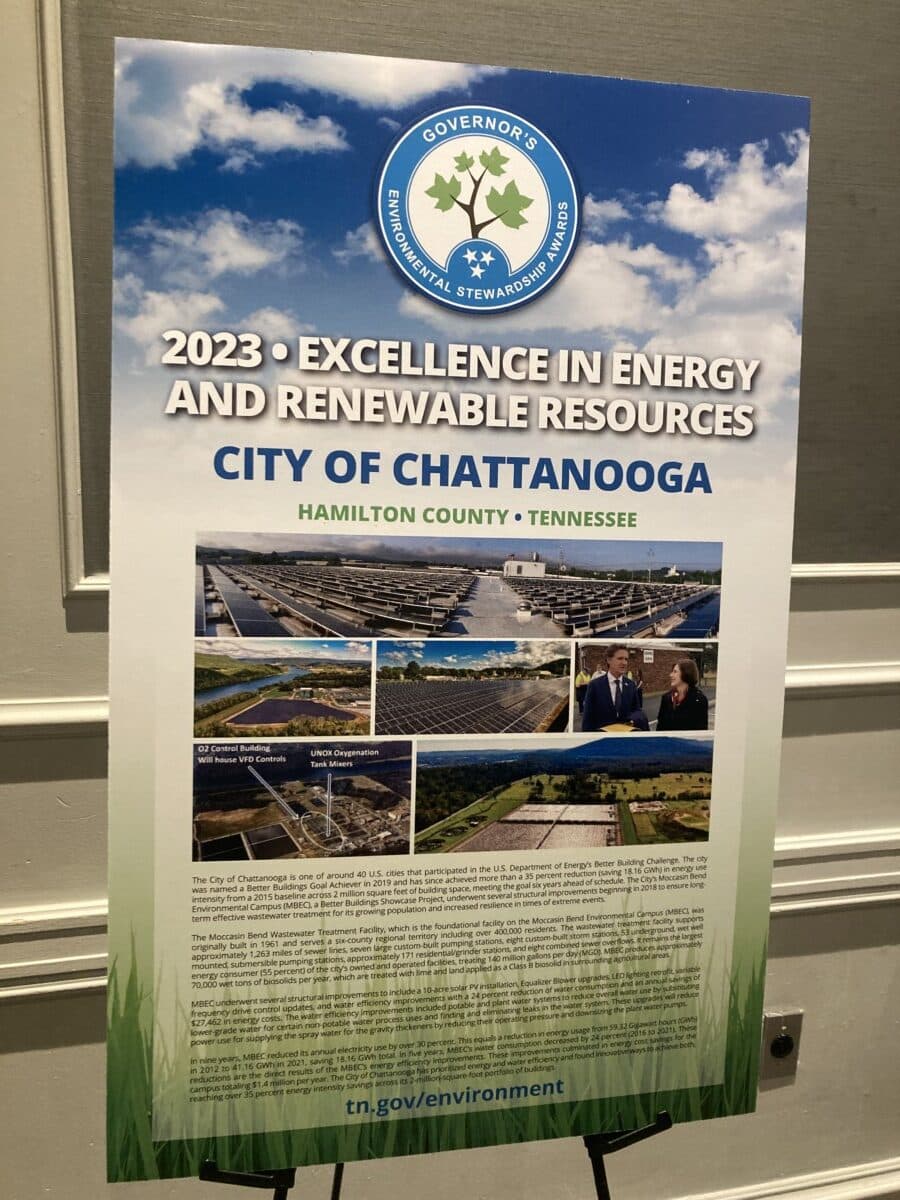
Chattanooga’s Wastewater Department earned the 2023 Tennessee Governor’s Environmental Stewardship Award for “Excellence in Energy and Renewable Resources”.
Moccasin Bend Environmental Campus was recognized for its holistic energy-efficiency measures and sustainable wastewater management, which achieved $1.4 million in annual energy cost savings.
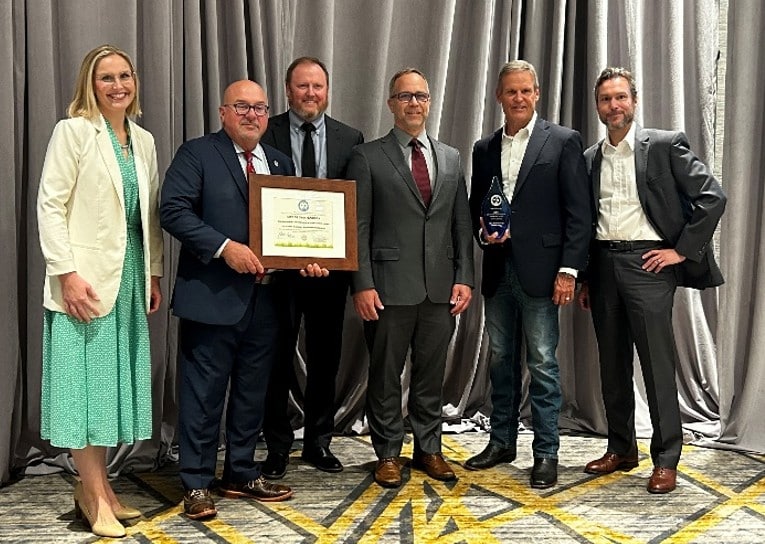
From left to right: Sarah Robbins, City of Chattanooga; David Salyers, TDEC Commissioner; Erik Schmidt, City of Chattanooga; Mark Heinzer, City of Chattanooga; Bill Lee, Governor of Tennessee; Xavier Pedeux, Jacobs
Chattanooga is recognized for its leadership in energy efficiency – Dec 8, 2022
The U.S. Department of Energy (DOE) recognized Better Buildings Challenge partner City of Chattanooga, Tennessee for energy efficiency leadership across more than 200 of its municipal facilities. Chattanooga hosted DOE for a tour of its Moccasin Bend Environmental Campus to showcase its successful energy, water, and cost savings measures.
Since being dubbed the “Dirtiest City in America” by Walter Cronkite in 1969, the City of Chattanooga has made significant progress reversing the negative environmental impacts of local industry. As part of this work, the city joined the Better Buildings Challenge in 2015, committing to reduce energy intensity by 20%. After reaching this goal five years ahead of schedule in 2019, Chattanooga has since achieved 36% energy intensity savings across 2 million square feet of building space from a 2013 baseline.
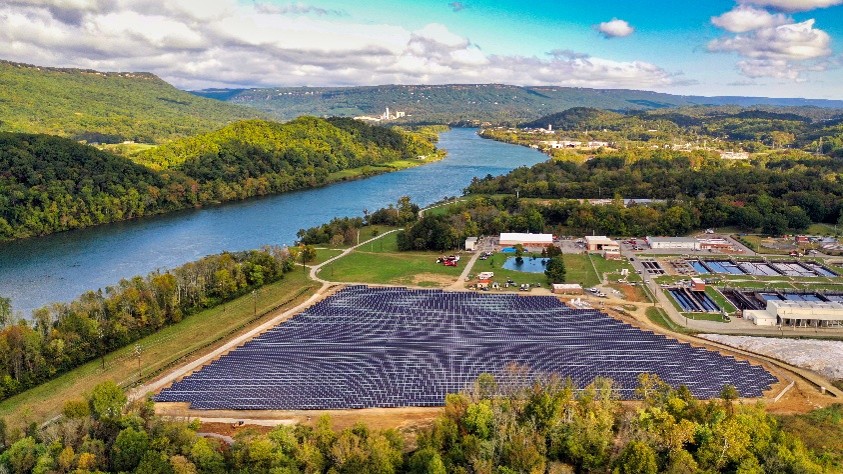
The City’s Moccasin Bend Environmental Campus exemplifies this ongoing commitment to efficiency. The campus manages and treats wastewater for six counties and is the largest energy consumer of the city’s owned and operated buildings. Beginning in 2018, the Moccasin Bend Environmental Campus underwent several structural improvements to ensure long-term effective wastewater treatment for its growing population and increase resilience in times of extreme events.
To improve the facility’s efficiency and performance, the City of Chattanooga installed a 10-acre solar array, upgraded the facility’s equalization blower, retrofitted the building with LED lighting, and installed variable frequency drive controls. Chattanooga’s holistic approach has resulted in 27% energy annually at the campus, ultimately saving $1.4 million per year.
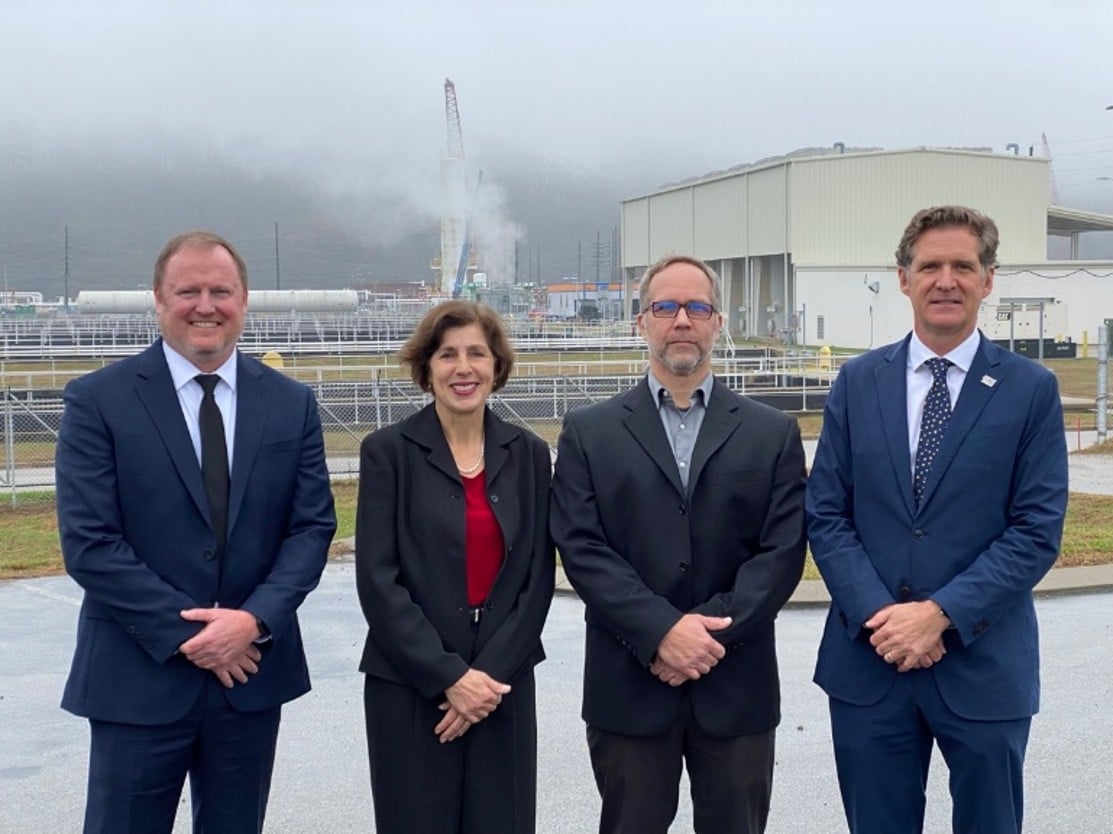
From left to right: Erik Schmidt, Director of Sustainability, City of Chattanooga; Maria T. Vargas, Director, Better Buildings & Better Plants Initiative, U.S. DOE; Mark Heinzer, Administrator, Moccasin Bend Environmental Campus, City of Chattanooga; Tim Kelly, Mayor of Chattanooga.