SSES & Rehab
Deteriorated pipes and manholes with structural defects (cracks and holes) present health and environmental concerns. A high volume of groundwater, water intrusion from creeks, and stormwater during heavy rain may at times enter the pipe, making it full, causing diluted sewage to overflow back to the environment. These Sanitary Sewer Overflows pose potential public health risks.
As part of the Clear Chattanooga Program, the Wastewater Department is committed to inspect the system and identify the worst pipes and manholes to be prioritized for repair.

What is an SSES (Sanitary Sewer Evaluation Survey)
A critical piece of the Clear Chattanooga Program is the Focused Sanitary Sewer Evaluation Survey (SSES) and Rehabilitation of damaged pipes and manholes.
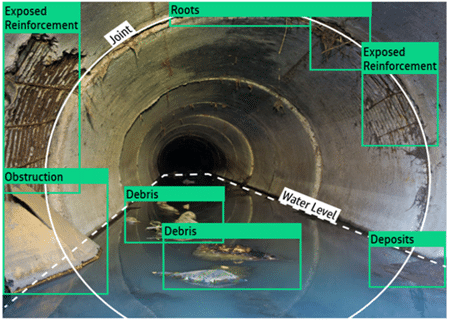
The SSES includes the Closed-Circuit Television (CCTV) inspection of pipes. 2.5 million feet of sewers were inspected as part of this process.
Manholes also get inspected as part of the SSES works. 10,000 manholes were inspected as part of this process.
What Happens to this Inspection Data?
CCTV videos are processed by Artificial Intelligence (AI) + 100% human Quality Control to produce a coded database of defects, per the Pipeline Assessment Certification Program (PACP). The sections showing the worst deteriorations where groundwater and stormwater can get into the sewer and overwhelm the system are prioritized for rehabilitation, repair or replacement.
Manhole defects are coded per the Manhole Assessment Certification Program (MACP) and prioritized for rehab and repair.
What is CIPP (Cured-In-Place-Pipe) Lining?
CIPP lining is a trenchless technology for repairing and rehabilitating older pipes, which involves inserting a flexible liner saturated with resin into the damaged pipe, inflating it, and then curing it with heat or UV light.
This creates a new, seamless pipe within the old one, restores structural integrity and eliminates leaks, cracks, and root intrusion as well as odor issues.
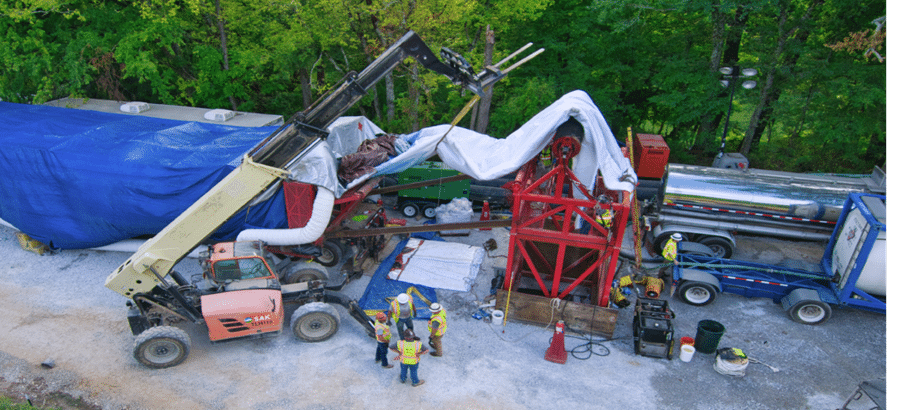
The CIPP process is a quick, durable, cost-effective solution that can last for decades. The method is faster, less disruptive, and often less expensive than traditional pipe replacement.
Potential Impacts may include temporary exposure to chemical vapors however preventative measures and permanent monitoring are in place and strictly followed during construction.
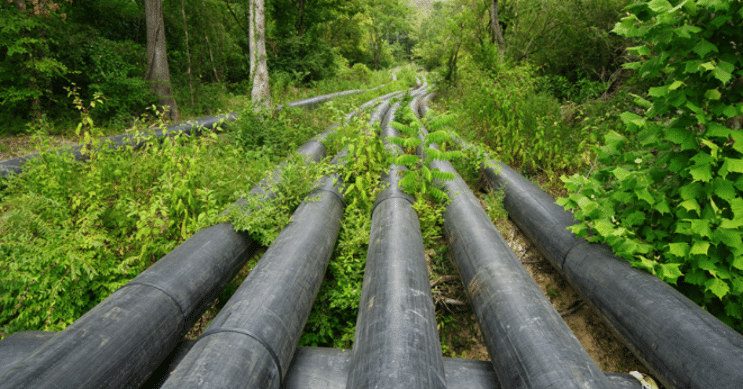
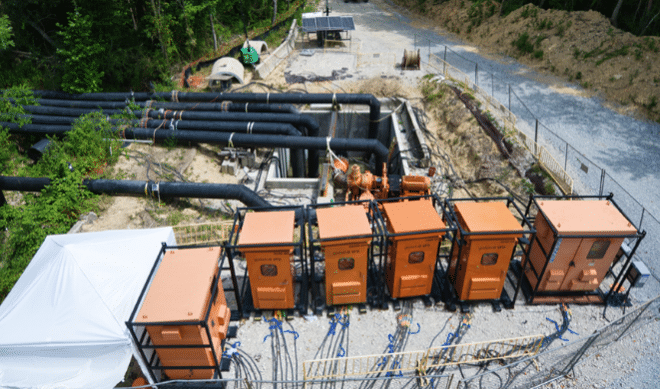
During the lining process, the pipe needs to be dry. As such, above ground, temporary piping will be placed to pump and bypass the flow from an upstream manhole all the way downstream of the project to another manhole.